Reformer or mat Pilates — which should you choose?
Both formats strengthen the deep muscles, but in different ways. We explain the differences and help you choose.
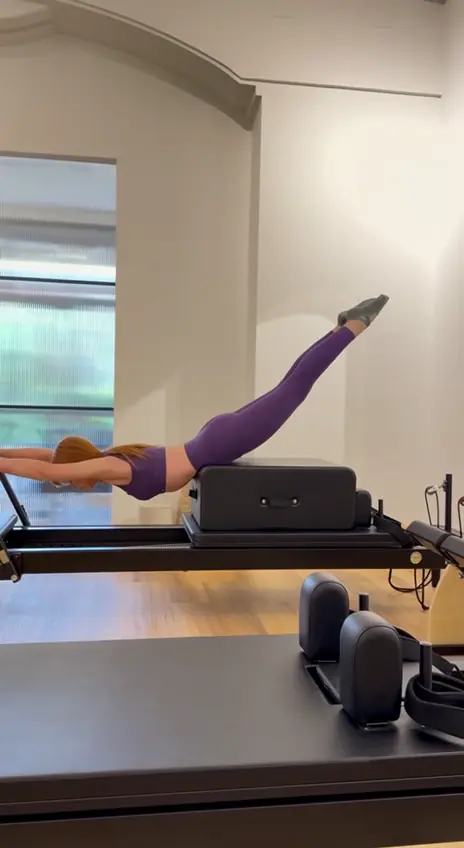
Pilates is one method, but it's practised in two main ways: on the reformer — a machine with a sliding carriage and springs — and on the mat, using your own body weight and small props. Both build core strength, better posture and mobility, but they feel different and suit different people.
What is a reformer?
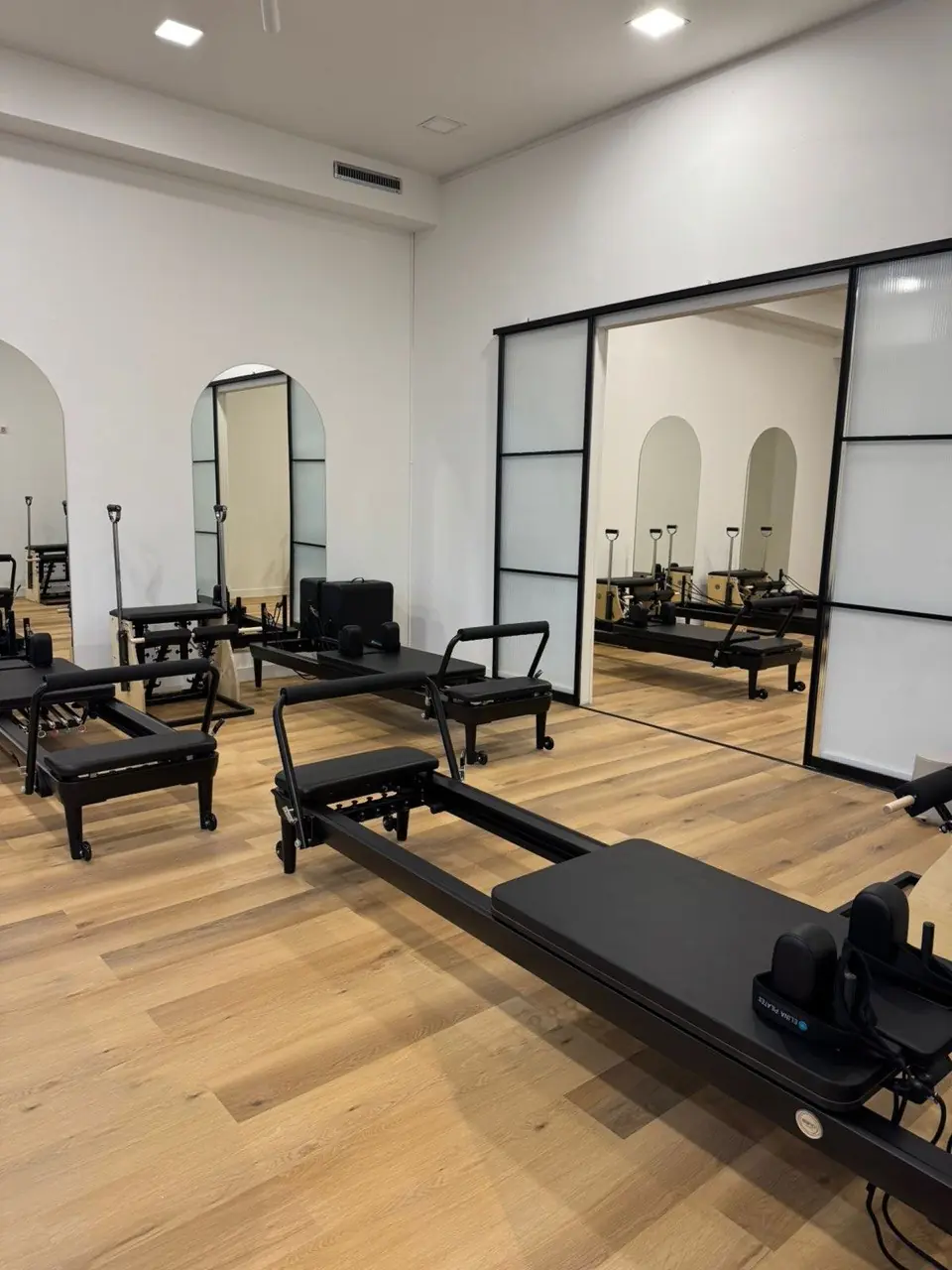
A reformer is a machine with a carriage that slides on rails and springs of different strength. The springs add resistance or support, so the same exercise can be gentle for a beginner and very demanding for an experienced client. That's why the reformer allows precise loading and training without impact on the joints.
What is mat Pilates?
On the mat you work with your own body weight plus balls, small weights and resistance bands. Without springs to help, the body has to create stability on its own — which makes mat Pilates excellent for control, coordination and core awareness.
The main differences
- Load — on the reformer you adjust it with springs; on the mat it's defined by your body.
- Support — the reformer can assist the movement, which helps when you're returning to exercise.
- Variety — the reformer offers more variations of each exercise and more positions.
- Price — a mat class costs less, since it doesn't need a machine for each person.
Which should you choose?
If you're just starting, have a stiff back or want visible results in strength and posture, group Reformer Pilates is a great choice. If you prefer a calmer pace and want to deepen control, try mat Pilates. The best results come from combining both — what you learn on the mat carries over to the reformer and vice versa.
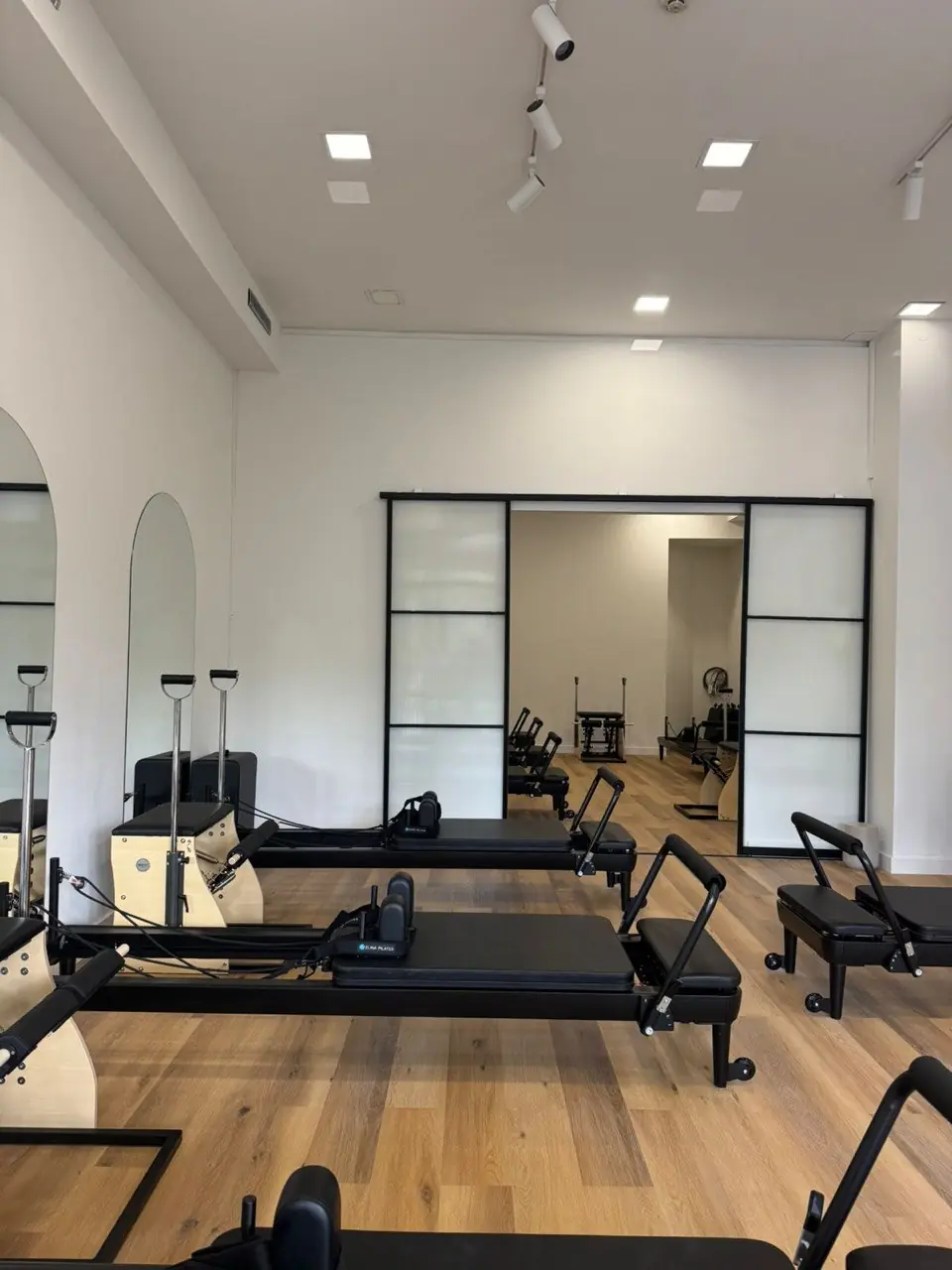
At Telo Pilates Club in Podgorica we teach the Polestar Pilates method in both formats, in small groups with certified instructors.